Whisky & Ember recipe 03 · From the free guide

Boulevardier

Oak, bitter orange, and sweet vermouth, stirred over ice.
Serves
1
Time
About 5 minutes
Glass
Rocks glass, one large cube
Flavour
Bittersweet / orange / oak and spice
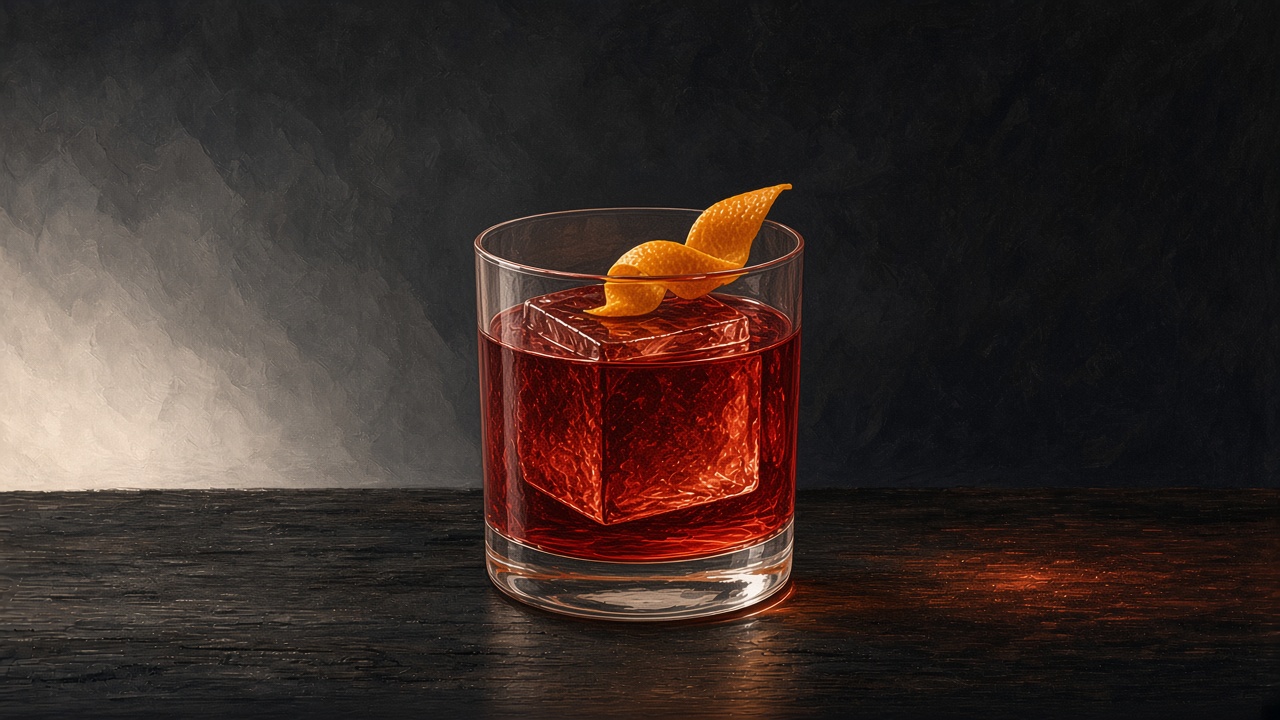
A Boulevardier: a deep red drink over one large clear ice cube in a rocks glass, with a twist of orange peel, on a dark bar.

The build

Tools for this drink

Ingredients

mlozIngredient
45 ml1.5 ozBourbon or rye
30 ml1 ozCampari
30 ml1 ozSweet red vermouth
Orange peel, to finish

For a Canadian rebuild, compare a corn-led whisky with Lot No. 40. Notes are in What you can change.

Method

  1. Add the three liquids to a mixing glass with ice.
  2. Stir for 20 to 30 seconds.
  3. Strain over one large cube in a rocks glass.
  4. Express orange peel over the drink, then add it.

Notes and tips

  • Stir to chill and dilute before serving. A large cube slows further dilution; it does not replace the water added during stirring.
  • To express the peel, hold it skin side down over the glass and give it a firm squeeze.
  • Refrigerate opened vermouth.
  • Keep Campari and vermouth fixed when you compare whiskies, so you can taste what the whisky changes.

Pair with

Seared mushrooms on toast

Browned mushrooms bring savoury depth beside oak and herbs. A little butter rounds the bitter edge; crisp toast keeps the bite lively.

Aged Gouda and toasted walnuts

Nutty cheese and walnuts echo oak-derived flavours. Keep the walnuts lightly toasted: heavy char can pile bitterness onto bitterness.

Classic ingredient measures [2]. We serve this version over a large cube rather than in a stemmed glass.

The story

The Boulevardier appears in Harry MacElhone’s 1927 Barflies and Cocktails, in Arthur Moss’s account of drinks around Paris [1]. Moss associates it with Erskine Gwynne and records equal parts bourbon, Campari and Italian vermouth. Gwynne was also involved in a Paris magazine called Boulevardier. The name belongs to that social world of writers, bars and boulevard evenings.

More of the story

“This is a drink I would let settle into the evening. Stir it properly before serving, then notice how the cube changes it as you talk. A few well-chosen bites are enough. There is no need to make a good drink into a formal occasion.”

George Logue, from Five Classics, Rebuilt
Tasting notes and why it works

Look

Deep red over one large, clear cube, with the orange peel in the glass.

Smell

Orange from the expressed peel, then the bitter orange of the Campari.

Taste

Bittersweet and orange, with oak and spice from the whisky. It changes slowly as the cube melts, which is part of the pleasure.

Why it works

The family resemblance to a Negroni is easy to see: spirit, bitter aperitif and sweet vermouth. Whisky changes the centre of gravity. Oak and grain sit against Campari’s bitterness, while vermouth supplies sweetness and its own herbal character.

There is no citrus juice to reorganize the balance, so each bottle matters. The stir chills and dilutes the drink before it reaches the glass, and the large cube slows any further dilution while you sip.

What you can change (substitutions)

The written build is bourbon or rye. Choose the whisky for the character you want beside Campari and vermouth.

A rye-led whisky

Useful when you want spice and grain to stand clearly beside Campari and sweet vermouth [4]. Peppery or herbal notes can connect with the vermouth and give the orange bitterness a more savoury frame. Choose rye on purpose, not as a fallback.

A corn-led whisky

Rounded vanilla, caramel and oak notes can make the same recipe feel fuller and more dessert-like [5]. That can be lovely when you want a softer impression of bitterness.

Check the bottle

Neither grain guarantees the result, and rye also develops sweet-seeming oak flavours [3]. Check the actual bottle and its ABV.

Stir it properly

A more forceful whisky may hold its place against Campari, but the stir still matters. Flavour intensity is not a substitute for dilution.

“I would change the whisky first and hold Campari and vermouth steady. Vermouth is a wine-based ingredient with its own fruit, herbs and sweetness; changing it at the same time makes the comparison harder to read.”

George Logue, from Five Classics, Rebuilt
If it tastes wrong

The bitter finish feels drying

A heavily tannic or strongly charred whisky can make the bitter finish feel more drying. Compare a bottle with rounder vanilla, caramel and oak notes.

It tastes hot or harsh

Give it the full 20 to 30 second stir. A bigger whisky does not replace the water the stir adds.

You cannot tell what changed

Change one bottle at a time. Start with the whisky and keep the Campari and vermouth the same.

Sources

Sources as cited in Five Classics, Rebuilt. Brands are named because they worked in this drink. Whisky & Ember has no commercial relationship with any brand named here and receives no payment for naming it. Please drink responsibly.