Whisky & Ember recipe 05 · From the free guide

Aviation

Dry gin, lemon, maraschino, and a quiet floral accent.
Serves
1
Time
About 5 minutes, with the glass already chilled
Glass
Chilled coupe, served up
Flavour
Citrus / floral / cherry and botanicals
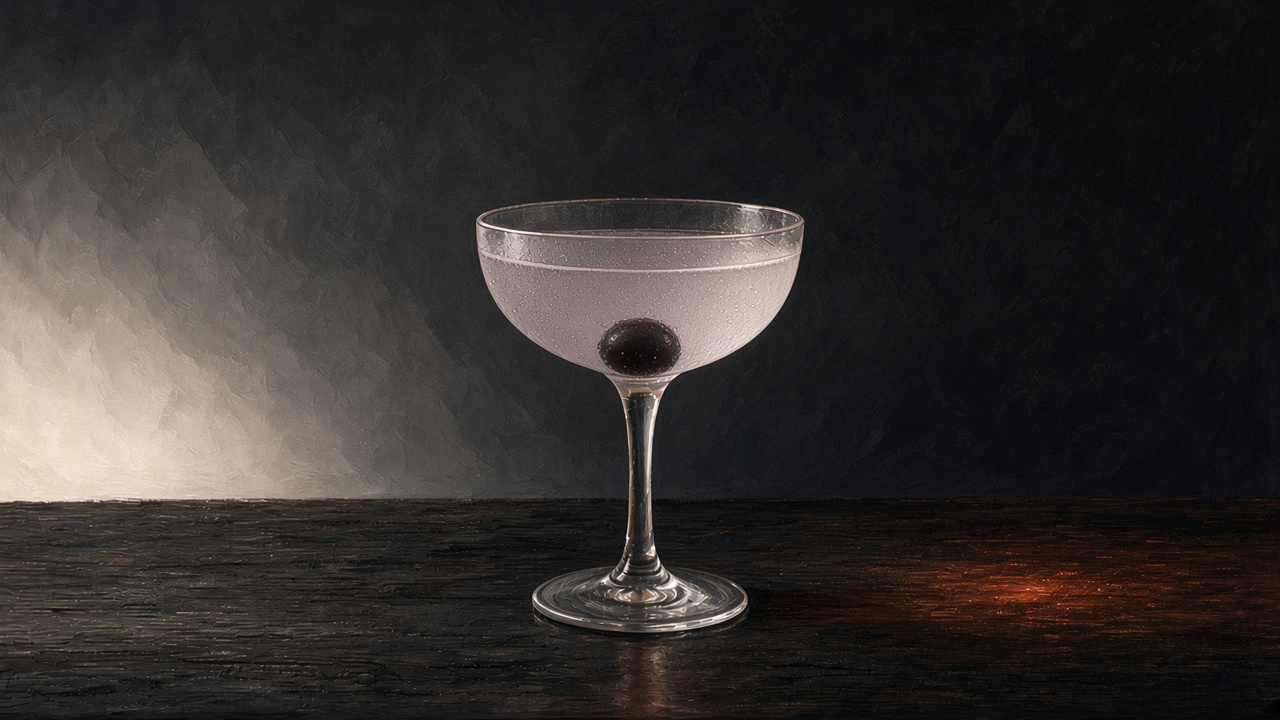
An Aviation: a pale lilac drink served up in a stemmed coupe with a dark cocktail cherry, on a dark bar.

The build

Tools for this drink

Ingredients

mlozIngredient
45 ml1.5 ozGin
15 ml0.5 ozMaraschino liqueur
15 ml0.5 ozFresh lemon juice
1 bar spoonCrème de violette (about 5 ml)
Cocktail cherry (optional)

Start with a dry, unaged gin. Gin notes are in What you can change.

Method

  1. Add the four liquids to a shaker with ice.
  2. Shake until well chilled.
  3. Double strain into a chilled coupe.
  4. Serve up. Add a cocktail cherry if desired.

Notes and tips

  • Use maraschino liqueur, not cherry syrup.
  • Measure the violet with the same bar spoon each time; spoon sizes differ. A pale tint is enough.
  • Double straining means pouring through the Hawthorne strainer on the tin and a fine-mesh strainer held over the glass.
  • Try Dillon’s Dry Gin 7 as a Canadian gin variation. Hold the lemon and liqueurs steady first. A different violet liqueur can alter both sweetness and colour.

Pair with

Soft goat cheese and pear

Creamy cheese meets the lemon’s acidity. Pear supplies a gentle fruit bridge without asking the drink’s floral note to compete with heavy seasoning.

A small almond shortbread

Almond echoes the nutty impression of maraschino. Keep the portion modest and the biscuit lightly sweet so the cocktail does not seem thin or sharply sour.

Classic ingredient measures [2]. We double strain into a coupe; the cocktail cherry is optional.

The story

The Aviation appears in Hugo Ensslin’s 1916 Recipes for Mixed Drinks, with gin, lemon, maraschino and crème de violette [1]. Ensslin is widely credited with its creation, but a surviving printed recipe is firmer evidence than an uncontested invention claim. It places the drink in the early twentieth-century cocktail repertoire.

More of the story

Harry Craddock’s 1930 Savoy Cocktail Book printed a version without the violet liqueur [1]. That difference matters: violet is more than a colour treatment. It changes the aroma and adds sweetness. A three-ingredient version can still be a good drink, but it will not deliver the same floral accent as this build.

“The cherry is optional. I would use a good cocktail cherry when I want that finish, and leave it out when I do not. A garnish should make the drink more enjoyable for the person holding it.”

George Logue, from Five Classics, Rebuilt
Tasting notes and why it works

Look

A pale lilac drink, served up in a coupe, with a dark cherry if you choose one.

Smell

Lemon and gin first, with a soft floral note from the violet.

Taste

Citrus, then a floral accent, the nutty impression of maraschino, and the gin’s botanicals underneath.

Why it works

Gin gives the drink its frame. Lemon brings brightness, and maraschino liqueur meets it with sweetness and a nutty cherry impression. The violet is an accent: a single bar spoon changes the aroma and adds a little sweetness.

That is why the violet is measured with a spoon rather than poured. More colour also means more flavour and sweetness, so a pale tint is enough.

What you can change (substitutions)

Start with a dry, unaged gin, then compare one bottle at a time before you add more violet.

A juniper-led dry gin

Gives the lemon, maraschino and violet a clear framework [4]. Its piney character can keep the floral accent distinct. A citrus-led dry gin can bring lemon peel forward and make the drink feel brighter.

A floral or cucumber gin

A strongly floral gin can amplify the violet and make the result more perfume-like; a cucumber-accented gin can add a fresh, green note [5]. Neither is wrong, but each is a flavour decision.

Old Tom or barrel-aged gin

Old Tom’s sweeter, rounder character can add weight beside the two liqueurs [6]. Barrel-aged gin adds oak and colour.

A stronger gin

A higher ABV can increase both presence and alcohol heat. London Dry bottles also vary in their balance of juniper, citrus and spice.

“Dillon’s Dry Gin 7 is a Canadian candidate to explore [3]. I would hold the lemon and liqueurs steady for the first comparison, and measure the violet carefully. More colour also means more flavour and sweetness.”

George Logue, from Five Classics, Rebuilt
If it tastes wrong

It tastes perfumed

Check the violet first: one bar spoon, the same spoon each time. A strongly floral gin can also amplify it, so compare a juniper-led dry gin.

It tastes too sweet

Make sure the bottle is maraschino liqueur, not cherry syrup. Old Tom gin and extra violet both add sweetness.

The colour looks different

Do not measure by colour alone. A different violet liqueur can change both sweetness and colour, so measure with the spoon and taste.

Sources

Sources as cited in Five Classics, Rebuilt. Brands are named because they worked in this drink. Whisky & Ember has no commercial relationship with any brand named here and receives no payment for naming it. Please drink responsibly.