Whisky & Ember recipe 04 · From the free guide

Corpse Reviver No. 2

Bright citrus, dry gin, and a restrained touch of anise.
Serves
1
Time
About 5 minutes, with the glass already chilled
Glass
Chilled coupe, served up
Flavour
Citrus / botanical / light anise
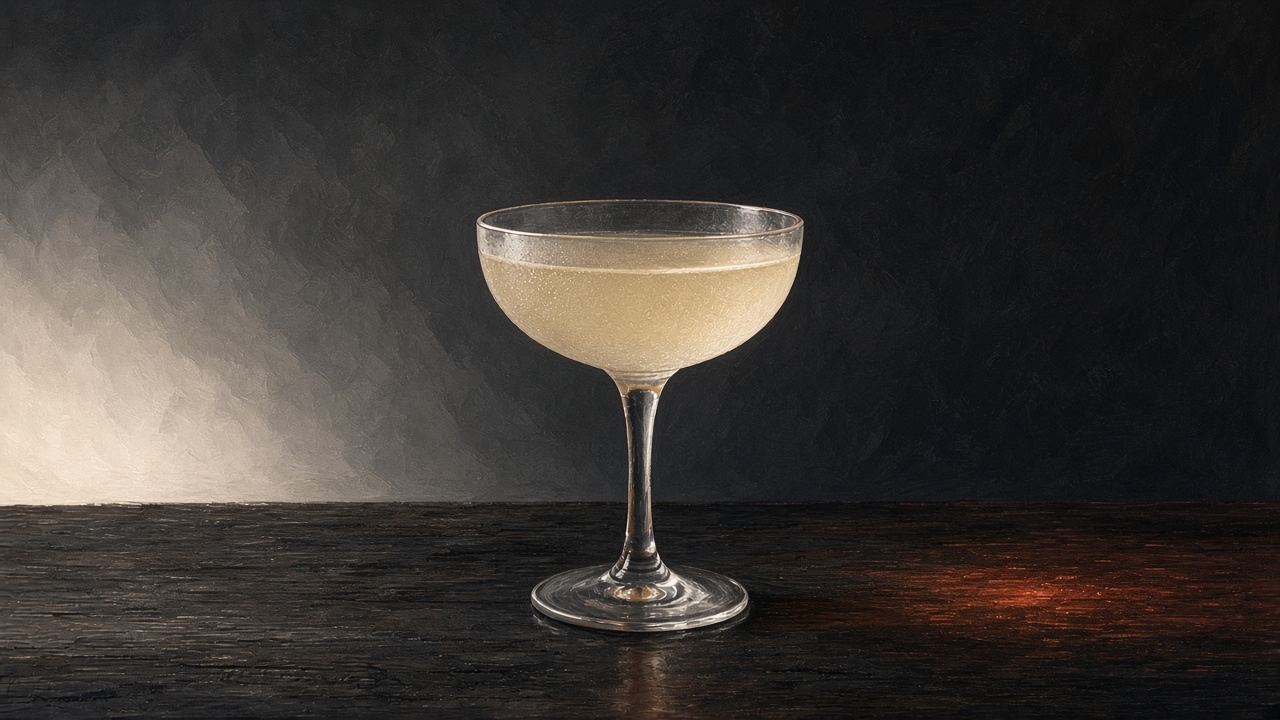
A Corpse Reviver No. 2: a pale, slightly hazy yellow drink served up in a stemmed coupe with no garnish, on a dark bar.

The build

Tools for this drink

Ingredients

mlozIngredient
30 ml1 ozGin
30 ml1 ozCointreau
30 ml1 ozLillet Blanc
30 ml1 ozFresh lemon juice
1 dashAbsinthe (a dash is about 1 ml)

Start with a dry gin whose juniper stays clear. Gin notes are in What you can change.

Method

  1. Add all five ingredients to a shaker with ice.
  2. Shake for 10 to 12 seconds.
  3. Double strain into a chilled coupe.
  4. Serve up. No garnish for this house build.

Notes and tips

  • Use one dash of absinthe, not an unmeasured splash. Dash size varies by dispenser. Keep the same bottle and dispenser when comparing builds.
  • Double straining means pouring through the Hawthorne strainer on the tin and a fine-mesh strainer held over the glass.
  • Cocchi Americano changes the aperitif’s character; taste it as a variation.

Pair with

Smoked trout on a small toast

Citrus gives the oily fish a fresh counterpoint. Keep the smoke gentle so it leaves room for the gin and the light anise accent.

Fennel and orange salad

Fennel echoes the absinthe’s anise aroma; orange connects with the liqueur. Use a restrained dressing so the plate does not overwhelm the drink’s acidity.

“At the table, I would keep the first bite light enough for the citrus and botanicals to remain clear. A small toast or a piece of fish gives the drink company. The aim is a welcoming start.”

George Logue

Classic ingredient measures [2]. We double strain into a coupe and leave off the orange-zest garnish.

The story

Corpse Reviver was a name used for more than one drink long before the familiar No. 2. Harry Craddock’s 1930 Savoy Cocktail Book helped attach the name to two specific recipes [1]. The gin-based second version is the one here. Publication gives us a reliable landmark; it does not establish Craddock as the inventor of every drink carrying the name.

Four equal measures make it easy to remember: gin, orange liqueur, an aromatized wine aperitif and lemon. Absinthe is the small fifth ingredient.

Tasting notes and why it works

Look

A pale, slightly hazy yellow drink, served up in a coupe with no garnish.

Smell

Citrus first. The anise from the absinthe becomes noticeable as the glass comes close.

Taste

Bright lemon and orange, gin botanicals, and a light anise accent that should never be the only thing left to taste.

Why it works

Each of the four measures has a job. Gin brings the botanicals, Cointreau brings orange and sweetness, Lillet Blanc brings a soft wine character, and lemon keeps it bright.

The absinthe is an accent. One dash is enough for its anise to show as the glass approaches, without taking over the drink. Ice adds water as well as cold, which is why the shake has a time.

What you can change (substitutions)

The gin is the easiest place to start. Test one change at the written 30 ml before you alter any other measure.

A juniper-led London Dry

Supplies piney, resinous character against the lemon, orange liqueur and wine aperitif [5]. A citrus-led dry gin can echo those ingredients, though the result may feel more uniformly citrusy.

A floral or cucumber gin

Moves the drink toward a softer, garden-like aroma [6]. Beside absinthe, those botanicals may become especially noticeable or compete for attention.

Read the label

London Dry is a production designation, not a single tasting profile. Read the bottle’s botanical notes rather than relying on the name alone.

Old Tom, barrel-aged or stronger gin

Old Tom often brings a sweeter, rounder profile [7], so treat it as a deliberate variation in a drink already sweetened by liqueur and aperitif. Barrel-aged gin introduces oak; higher-strength gin changes the alcohol balance.

“Dillon’s Dry Gin 7 is a Canadian candidate to test in the written build [3]. Dillon’s also makes absinthe [4]. I would start with the single dash, use the same dispenser for comparisons, and resist changing gin and aperitif in the same round.”

George Logue, from Five Classics, Rebuilt
If it tastes wrong

The anise takes over

Check the dash. Use one dash, not a splash, and keep the same bottle and dispenser, because dash size varies.

The floral notes compete

A floral or cucumber-accented gin can fight with the absinthe. Go back to a juniper-led dry gin for comparison.

It tastes too sweet or round

Old Tom gin brings a sweeter, rounder profile to a drink that already has liqueur and aperitif. Try the build with a dry gin.

Sources

Sources as cited in Five Classics, Rebuilt. Brands are named because they worked in this drink. Whisky & Ember has no commercial relationship with any brand named here and receives no payment for naming it. Please drink responsibly.